Registration for the Fifth On-line V4 SSSAS Seminar (12th November 2024, 14.00 CET) is open. Please use the link to register.
Deadline for registration 12th November 2024, 14.00 CET.
Rules and regulations of Online seminars are available here as a pdf file.
Participation in online seminars is free of charge. The Participants will receive the certificate of participation as a pdf file.
The materials from the lectures will be available at the dedicated e-learning platform (free of charge) upon registration.
30th October 2023, 14:00 CET
Chairs:
Petr Chocholouš, Faculty of Pharmacy in Hradec Králové, Charles University (Czech Republic) and Michał Woźniakiewicz, Faculty of Chemistry, Jagiellonian University (Poland)
Lectures:
- Principles of Flow Techniques, Hana Sklenářová, Faculty of Pharmacy in Hradec Kralove at Charles University (Czech Republic)
- Strategy in analytical calibration, Marcin Wieczorek, Faculty of Chemistry, Jagiellonian University (Poland)
Duration: 2,5 hours
Principles of Flow Techniques
Abstract. The lecture will start with brief description of ways of automation applied on different levels and with different types of analysers. Then, basic principles of flow techniques, namely continuous/segmented flow analysis as equilibrium-based techniques and flow/sequential injection analysis as nonequilibrium-based techniques will be described in detail, and compared with respect to flow system set-up, sample manipulation, sample throughput, repeatability, advantages/disadvantages in terms of green chemistry approaches, etc. Miniaturization of flow injection and sequential injection systems will be stressed out. Experiments carried out in case of determination using spectrophotometry, fluorometry, or colour reaction will be demonstrated in short videos. Possibilities of automation using low-pressure flow techniques, application in different areas including sample preparation before separation of analytes in different systems, typically liquid chromatography (LC), and monitoring of long-term processes will be presented as well.
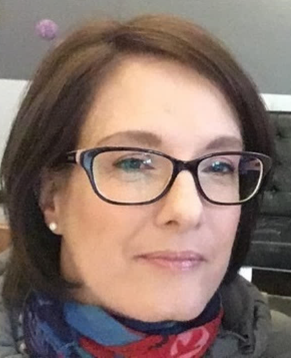 Hana Sklenářová
Charles University
Faculty of Pharmacy in Hradec Králové
Department of Analytical Chemistry
Hradec Králové, Czech Republic
Hana Sklenářová obtained her PhD in Pharmaceutical Analysis in 2002 and her habilitation in Analytical Chemistry in 2012 at the Faculty of Pharmacy of Charles University. Since the beginning of her research, she worked with low-pressure flow techniques, namely sequential injection analysis, applied for automation of colour reactions, sample preparation, and monitoring of dissolution and toxicological tests using different types of detections. She gained experience also in laboratories abroad, e.g., University of Graz (Austria), University of Porto (Portugal), University of Balearic Islands (Spain). Her current research is focused on monitoring of release of active substances from nanofibers or fluorescent/chemiluminescent markers of analytes interaction with cell cultures. She is deputy head of the Department of Analytical Chemistry and head of the PhD committee in Pharmaceutical Analysis. She has co-authored 86 articles, 3 patents, 2 certified methodologies, and one utility model. Her publications have been cited more than 1200 times with H-index of 23.
ORCID: https://orcid.org/0000-0003-1700-7447
ResearchGate: https://www.researchgate.net/profile/Hana_Sklenarova
Strategy in analytical calibration
Abstract. During the lecture, three basic and most popular calibration methods will be presented and their limitations related to systematic errors caused by the interference effect will be discussed in details . In addition, several selected, innovative and less frequently used calibration approaches will be presented, which enable the diagnosis of matrix effects and/or enable the elimination of their influence on the analytical result. The advantages and disadvantages of each presented calibration method will be discussed.
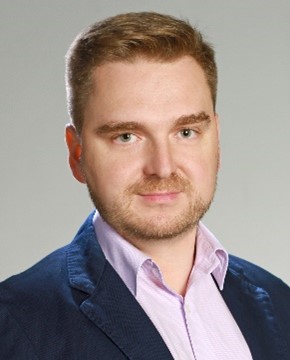 Marcin Wieczorek
Jagiellonian University
Faculty of Chemistry
Department of Analytical Chemistry
Kraków, Poland
Marcin Wieczorek received M.Sc. and Ph.D. degree in analytical chemistry at the Faculty of Chemistry Jagiellonian University in Kraków in 2002 and 2007, respectively. In 2008, he was honored with the award of the Committee of Analytical Chemistry of the Polish Academy of Sciences for his PhD thesis. Since 2007, he has been working in the Department of Analytical Chemistry at the Faculty of Chemistry Jagiellonian University. He is a habilitated doctor in chemical sciences since 2020. His main scientific interests focus on development of new analytical calibration strategies and on new methods in chemical analysis realized with the use of flow techniques. He is a member of the Environmental and Industrial Analysis Team of the Committee of Analytical Chemistry Polish Academy of Sciences. He published more than 70 scientific articles, reviews or book chapters.
ORCID: https://orcid.org/0000-0002-1578-0906
ResearchGate: https://www.researchgate.net/profile/Marcin_Wieczorek4
9th January 2024, 14:00 CET
Chairs:
Hana Sklenářová, Faculty of Pharmacy in Hradec Králové, Charles University (Czech Republic) and Justyna Płotka-Wasylka, Faculty of Chemistry, Gdańsk University of Technology (Poland)
Lectures:
- Bead Injection as a tool for online solid phase extraction, Petr Chocholouš, Faculty of Pharmacy in Hradec Kralove at Charles University (Czech Republic)
-
Automation of liquid phase extractions using modern flow techniques, Burkhard Horstkotte, Faculty of Pharmacy in Hradec Kralove at Charles University (Czech Republic)
Duration: 2 hours
Bead Injection as a tool for online solid phase extraction
Sequential Injection Analysis is a flexible and programmable platform for executing various analytical tasks in a flow. The key features are high precision, automation, miniaturization, operation speed, and long-term durability. These enable the development of methods for sample pretreatment, direct determination, or online hyphenation of multiple analytical instruments.
Online Solid Phase Extraction can be automated by Sequential Injection Analysis using either reusable commercial or lab-made cartridge columns or automatically disposable columns (Bead Injection). The extraction utilizes a broad choice of commercial or experimental sorbents (silica, polymer, polysaccharide, or diatomaceous earth) in a particulate, monolith, or nanofibrous morphology.
Sequential Injection Analysis significantly accelerates method development by continual online detection of the column outlet, which enables understanding of critical parameters during the sample loading, matrix elimination, and analyte elution, maximizing the method recovery and minimizing time and consumable demands.
Recommended study material: J. Ruzicka, P. Chocholouš, G.D. Marshall, Programmable Flow Injection Analysis - A tutorial, https://portal.faf.cuni.cz/Flowtutorial/Home/
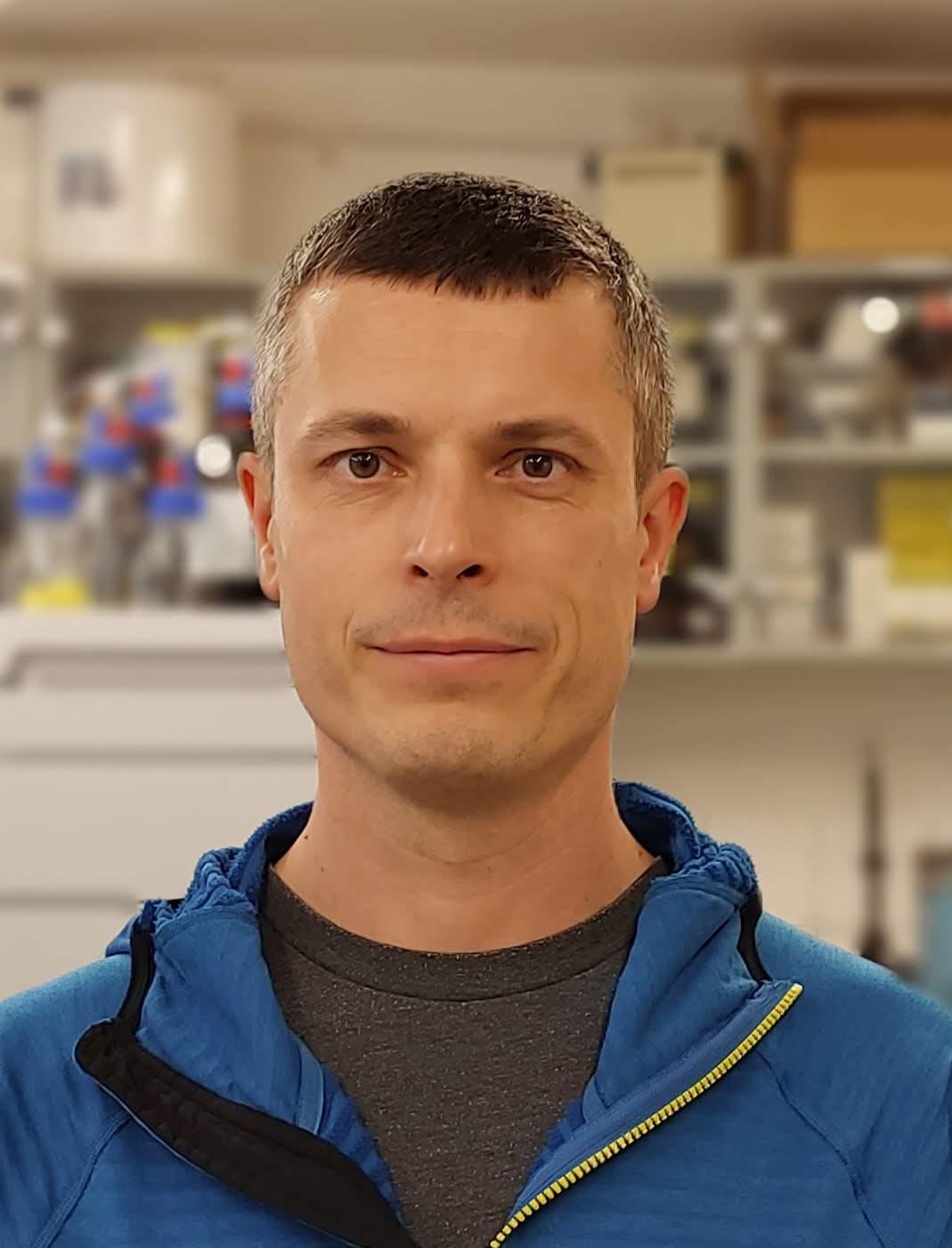 Petr Chocholouš
Faculty of Pharmacy in Hradec Králové
Department of Analytical Chemistry
Charles University
Hradec Králové, Czech Republic
Petr Chocholouš obtained his Ph.D. in Pharmaceutical Analysis from Charles University, where he was a postgraduate student of Dalibor Šatínský and Petr Solich. He spent seven months at the University of Washington as a postdoctoral fellow of the father of Flow Analysis – Prof. Jarda Ruzicka. In 2019, he habilitated and is currently an Associate Professor at the Faculty of Pharmacy, Charles University. His research interests include various topics in Flow Analysis and related techniques. It all started in 2002 with the birth of Sequential Injection Chromatography (SIC), utilizing various monolithic or particle-packed columns for multi-component analysis. For more than 20 years, he has been gradually bringing the capabilities of SIC closer to HPLC. He also focuses on online SPE for sample pretreatment before chromatography and characterization of novel SPE sorbents in conventional cartridge-packed columns and automatically disposable Bead Injection formats. Recently, he has been dealing more and more with Programmable Flow Injection, the topic of an online tutorial coauthored with Jarda Ruzicka and Graham D. Marshal. The methods typically focus on pharmaceutical analysis, bioanalysis, and oceanography.
ORCID: https://orcid.org/0000-0002-6919-6449
ResearchGate: https://www.researchgate.net/profile/Petr_Chocholous
Automation of liquid phase extractions using modern flow techniques
Abstract. Sample preparation is a key step in the analytical process that decides on sensitivity, reliability, and selectivity of the analytical method. Above all, sample compatibility with the instrumental technique aimed for analyte quantification must be achieved. Sample preparation can also be a major source of error to the result, e.g., by contaminating the sample during treatment. Procedural automation and coupling sample preparation directly to the intended detection instrument can reduce these risks and generally comes with a gain in cost and time efficiency, as well as reproducibility and reliability of analysis. Most often today, versatile autosampler systems are used for this purpose, while flow techniques can show interesting advantages or add positive features to such processing instrumentation. Thus, getting familiar with the concepts and potential of handling samples in flow for analyte preconcentration and matrix clean-up can be more than just useful background knowledge for the analytical chemist.
In this seminar, the possibilities of the automation of liquid phase (micro)extraction (LPE/LPME) procedures using modern flow approaches/techniques should be presented for which a short overview of the different LP(M)E approaches should be given, including specific challenges and a comparison to solid phase extraction as alternative sample preparation. Furthermore, the potential, characteristics, and differences in operation and performance of flow approaches should be given focusing to Sequential Injection Analysis and the Flow Batch technique Lab-In-Syringe, a technical approach that overlaps with autosampler automation.
To this end, examples will be shown on implementation modes, system setup, and possibilities of operation. Moreover, an overview of challenges in coupling automated sample preparation to modern instrumental analysis should be given.
Recommended literature on the main automation technique discussed:
B. Horstkotte, P. Solich, The Automation Technique Lab-In-Syringe: A Practical Guide, Molecules 25 (2020) 1612. – OPEN SOURCE, https://doi.org/10.3390/molecules25071612
 Burkhard Horstkotte
Faculty of Pharmacy in Hradec Králové
Department of Analytical Chemistry
Charles University
Hradec Králové, Czech Republic
Associated Professor of Analytical Chemistry at the Faculty of Pharmacy in Hradec Králové, Charles University. Diplom Ingenieur Umwelttechnik (2000) at the Hamburg University of Applied Sciences (HAW), Germany. Research fellow at the Federal Research Center for Fisheries, Hamburg. Master of Science in Environmental Engineering (HAW, 2005). Doctorate at the University of the Balearic Islands, Spain (2008)., Postdoc contract at the Mediterranean Institute for Advanced Studies (IMEDEA – CSIC), Department for Global Change Research, Spain and current institution (since 2012). Teaching in Analytical Chemistry, Instrumental Analysis, and Special Methods of Instrumental Analysis. Participation in 18 research grants and projects, 15 research stays, 4 research cruises, supervisor of 15 master and bachelor students, 4 doctorate students, and 7 visitors. 35 oral lectures on international conferences (7 invited) and lecturing in 3 workshops.
Main research focus on the development of sample preparation methodologies, in particular investigating their automation using flow techniques and coupling to advanced instrumental techniques (GC, CE, HPLC, ICP), further development of the automation technique Lab-In-Syringe, applications to environmental, food, and biological matrices. 68 peer-reviewed publications listed in Web-of-Science, > 1400 citations (without self-citations), h-index of 26.
ORCID: https://orcid.org/0000-0003-2337-9634
ResearchGate: https://www.researchgate.net/profile/Burkhard-Horstkotte
19th March 2024, 14:00 CET
Chairs:
Petr Kubáň, Institute of Analytical Chemistry, Czech Academy of Science (Czech Republic) and Kamil Strzelak, Faculty of Chemistry, University of Warsaw (Poland)
Lectures:
- microCOURSE: Lab-on-paper. Principles of paper-based analytical devices, Łukasz Tymecki, Faculty of Chemistry, Warsaw University (Poland)
- microCOURSE: Lab-on-paper. State of the art, Łukasz Tymecki, Faculty of Chemistry, Warsaw University (Poland)
Duration: 2 hours
Point-of-care analysis refers to diagnostic testing or analysis conducted near the patient, often at the bedside or in a clinical setting, rather than sending samples to a centralized laboratory for processing. This approach offers several advantages: Rapid Results, Improved Patient Outcomes, Convenience, Cost-Efficiency, Accessibility, Streamlined Workflow. However, there are also some limitations and considerations associated with point-of-care analysis. "ASSURED" is an acronym that was developed by the World Health Organization (WHO) to outline the ideal characteristics of diagnostic tests for use in resource-limited settings. Each letter in "ASSURED" stands for a key attribute that such tests should possess:
Affordable,
Sensitive,
Specific,
User-friendly,
Rapid and robust,
Equipment-free or minimal equipment requirements
Deliverable to those who need it.
Paper or other cellulose materials seems to be an ideal starting point for developing such analytical systems. The paper appears to be a very good material for manufacturing point-of-care analytical systems. Lecture attendees will learn both the basics of lab-on-paper systems operation (lecture no.1) as well as the current state of knowledge on this topic prepared based on literature data (lecture no.2).
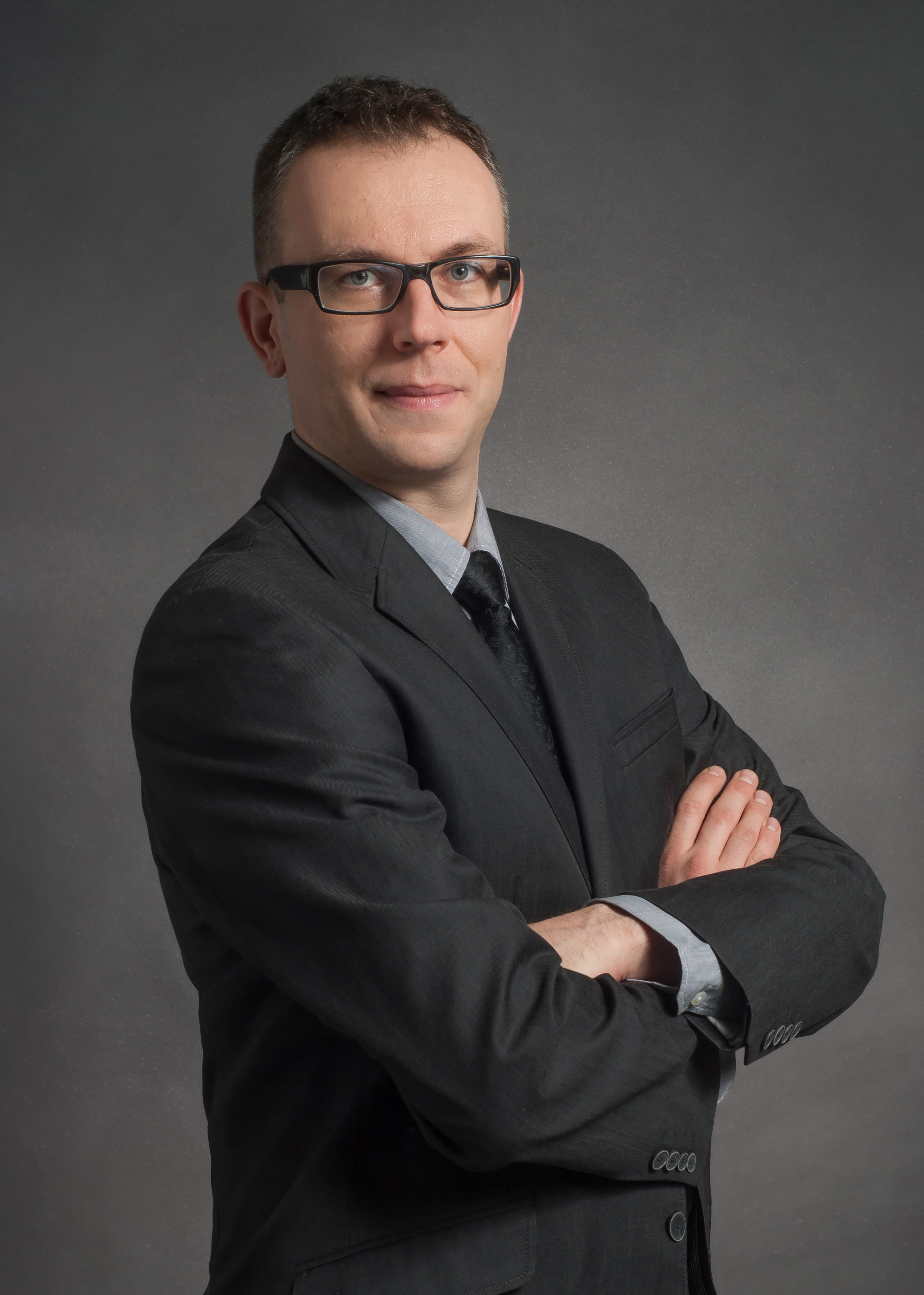
Łukasz Tymecki
University of Warsaw
Faculty of Chemistry
Warszawa, Poland
Łukasz Tymecki, Polish, Academic Senior Researcher, specialized in analytical chemistry at the Faculty of Chemistry, University of Warsaw with over 20 years’ experience in developing, construction, and validation of analytical equipment prototypes: from potentiometric electrodes and optical sensors, through optical detectors, to complete flow systems equipped with various electrochemical and optical detections for determination of clinically important analytes. He received M.Sc. and Ph.D. degrees in analytical chemistry at the Faculty of Chemistry, University of Warsaw in 2001 and 2005, respectively. He co-authored over 50 publications, 6 patents, and many utility models. From the beginning of his scientific career, he has been a scientist, engineer, and practitioner with successful implementations of technology in clinical reality.
ORCID: https://orcid.org/0000-0002-3332-8307
ResearchGate: https://www.researchgate.net/profile/Lukasz-Tymecki
11th June 2024, 14:00 CEST
Chairs:
Roman Szücs, Department of Analytical Chemistry, Faculty of Natural Sciences, Comenius University in Bratislava (Slovakia) and Gabor Jarvas, Research Institute of Biomolecular and Chemical Engineering, University of Pannonia (Hungary)
Lectures:
- Arduino-based analytical systems - the principles with examples, Kamil Strzelak, Faculty of Chemistry, Warsaw University (Poland)
- Do-it-yourself electronics in chemical analysis - some examples through the eyes of a non-expert, Kamil Strzelak, Faculty of Chemistry, Warsaw University (Poland)
- Capillary electrophoresis based glycomics – introduction, Gabor Jarvas, Research Institute of Biomolecular and Chemical Engineering, University of Pannonia (Hungary)
Duration: 3 hours
Arduino-based analytical systems - the principles with examples
Do-it-yourself electronics in chemical analysis - some examples through the eyes of a non-expert
Technological development is inevitable. From the Volta cell, through the invention of transistors and integrated circuits, we found ourselves in the digital age. All smaller and larger discoveries have contributed to the formation of chemical laboratories as we know them today - computerized, full of affordable electronics. There is a high probability that in the laboratories that emphasize mechanization and/or automation of analytical processes, there are systems based on microcontroller boards, especially Arduino. During the meeting, a descriptive explanation will be made of what Arduino actually is, where its popularity comes from (after all, it is one among many other microcontroller boards) and what applications it may have in analytical chemistry (Arduino-based analytical systems - the principles with examples). It is also worth looking at the use of such a microcontroller board through the eyes of a chemist and showing how to build basic electronic systems useful in a chemical laboratory in a simple and cheap way (Do-it-yourself electronics in chemical analysis - some examples through the eyes of a non-expert).
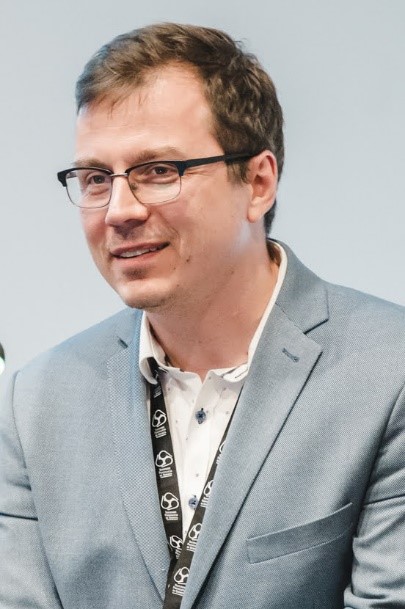
Kamil Strzelak
University of Warsaw
Faculty of Chemistry
Warszawa, Poland
Assistant Professor at Faculty of Chemistry, University of Warsaw, Poland. Academic researcher, specialized in analytical chemistry with the emphasis on novel constructions of optical detectors, miniaturization and automation of the analytical procedures, mainly for clinical analysis and microbiology. He gained his scientific experience in the reputable research centers in Thailand, Japan and the United States. The laureate of prestigious national and international awards. Author of 24 scientific articles from ISI Master Journal List (total IF of 142.8) with the h-index of 10.
ORCID: https://orcid.org/0000-0002-0728-5163
Research Gate: https://www.researchgate.net/profile/Kamil-Strzelak
Capillary electrophoresis based glycomics – introduction
Glycomics is a scientific discipline, which is focused on the exploration, characterization and study all of the carbohydrate structures. For this end, capillary electrophoresis (CE) is one of the most frequently used techniques, having outstanding advantages over liquid chromatography as ultra-high resolution and very low amount of sample need, among others. In this presentation, we will discuss the theoretical basics as practical aspects, with special attention on the CE based N-glycan structure elucidation. We will also shed light on how CE based glycomics can be used for biomarker research as well on its role in the characterization of biologics and biosimilars.
Gabor Jarvas
Research Institute of Biomolecular and Chemical Engineering
University of Pannonia
Veszprém, Hungary
Gabor Jarvas is an active researcher currently work intensively in various fields of bioanalytics. By graduation he is a chemical engineer having PhD in chemistry with summa cum laude rating. According to https://www.tudomanymetria.com/ Dr Jarvas is ranked in the top 20% (D2) researcher of Hungary. He co-authored 50 peer reviewed papers and a book chapter, which received > 710 citations, H = 16 (https://www.scopus.com/). Furthermore, Dr Jarvas has nine patent applications (from which two are granted). Gabor Jarvas gained significant experience at leading international institutes, such as The Scripps Research Institute (USA), Central European Institute of Technology (CZ) and Givaudan (CH). Dr Jarvas contributed in the planning, implementation, management and successful termination of 15 R&D projects.
ORCID: https://orcid.org/0000-0002-9289-6304
Research Gate: https://www.researchgate.net/profile/Gabor-Jarvas
12th November 2024, 14:00 CET
Chairs:
Petr Kubáň, Institute of Analytical Chemistry, Czech Academy of Science (Czech Republic) and Michał Woźniakiewicz, Faculty of Chemistry, Jagiellonian University (Poland)
Agenda:
- Presentation of Project Partners and an invitation for further collaboration.
- Summary of the results and evaluation of the V4 Summer School on Smart Analytical Science.
- Discussion on the sustainability and future of the project.